1 September 2026
How to choose the right wood for your dining table
Oak, walnut and ash all make good tables. The differences are in hardness, colour and how each one ages.
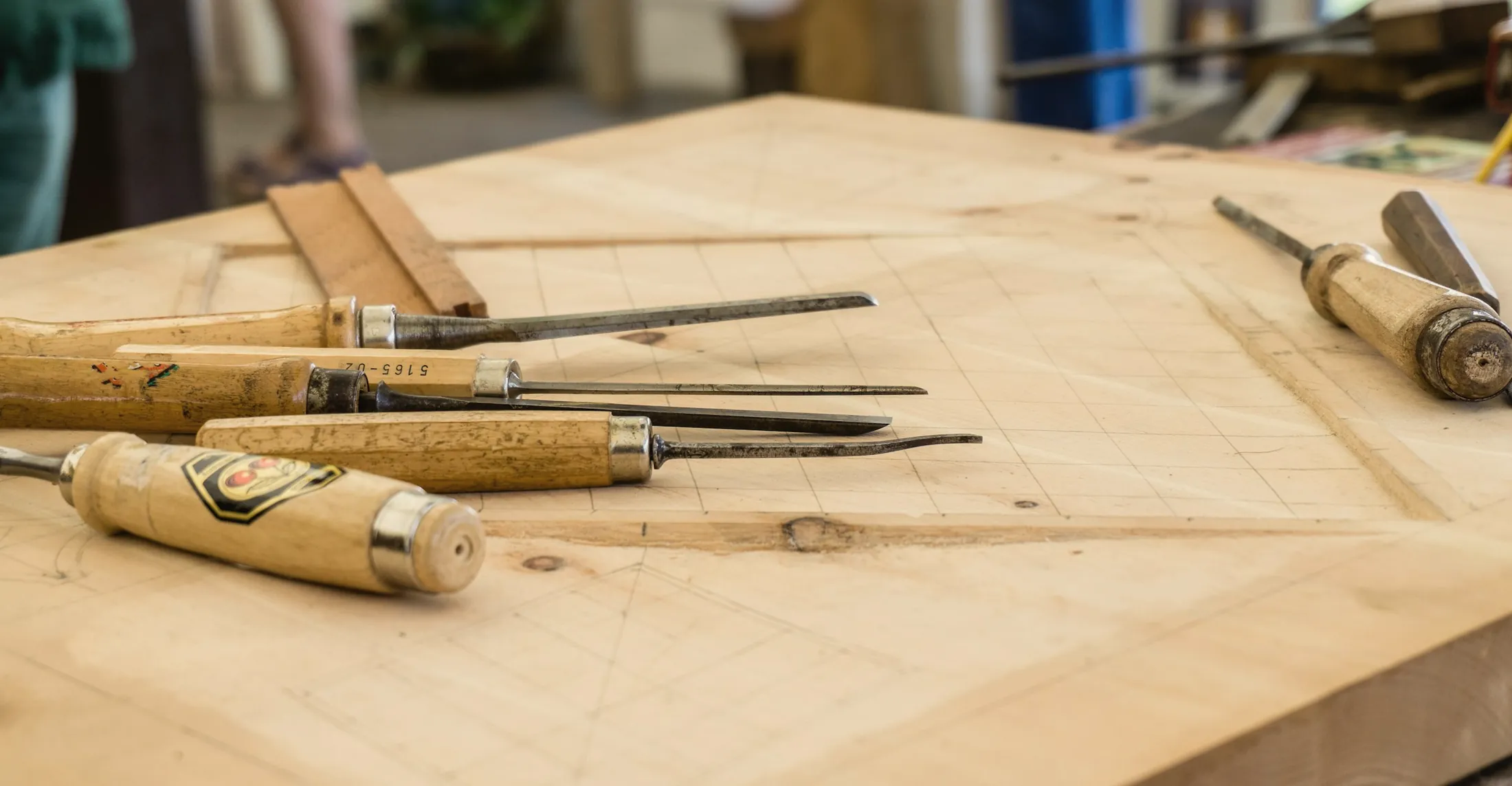
A dining table takes more wear than almost any other piece of furniture: hot plates, homework, elbows, spills. The timber you choose decides how it looks on day one and how it looks in ten years.
Oak is the dependable choice. It is hard, has a pronounced open grain that hides small marks well, and stays fairly light in colour. Its tannins mean it can darken where it meets iron or water, so wipe spills promptly.
Walnut is slightly softer than oak but very stable. Its colour runs from chocolate brown to grey-purple, and it lightens a little towards honey in sunlight. Walnut suits rooms where the table should be the darkest, calmest surface.
Ash is pale and strongly figured, close to oak in hardness, and more flexible, which is why it has long been used for chairs and tool handles. It is a good choice if you want a light, Scandinavian feel.
Whichever you choose, the finish matters as much as the species. Oiled finishes are easy to repair at home; lacquered finishes resist stains better but are harder to touch up.